
Vibe Coding the Future, One Edit at a Time


Not too long ago, if you had an idea for an app, a game, or a website, you basically had two choices. You could spend years learning how to code, or you could pay someone who already knew how thousands of dollars. For most people, that idea just sat in a notebook somewhere and never went anywhere. I’ve had plenty of those ideas myself over the years.
That’s not the case anymore. If you’ve been scrolling Twitter (X) lately, you’ve probably seen people talking about “vibe coding.” The idea is pretty simple. You tell an AI tool what you want in plain English, it writes the code for you, and you keep tweaking it until it looks and works the way you pictured it. It’s one edit at a time, kind of like having a conversation with someone who happens to know every programming language out there.
What really opened my eyes is who’s actually doing this. Developers are using it to work faster, which makes sense. The people who surprised me are the everyday folks with zero coding background. Parents, teachers, artists, small business owners, and retirees are all building things they never would have been able to make on their own. It’s honestly pretty wild to watch.
Turning Ideas Into Something Real
People are doing amazing things with the new tools at their disposal. Sort of like how all the information you've been holding onto for years ex ( family recipes, journals, and research ) is being turned into websites and tools that anyone can use. Someone who has spent twenty years learning everything about one hobby can now share it in a way that actually looks professional. Small businesses don’t have to wait months or spend thousands just to get a website up anymore.
The part that hits me the most is the science side of things, where researchers and students are building their own tools around their work. Some of it helps them sort through data way faster. Some of it takes complicated medical or safety information and makes it easy for regular people to understand. When the people closest to the research can build the tools themselves, good ideas don’t get stuck in a report that nobody ever reads.
Building Safely and for the Good of Everyone
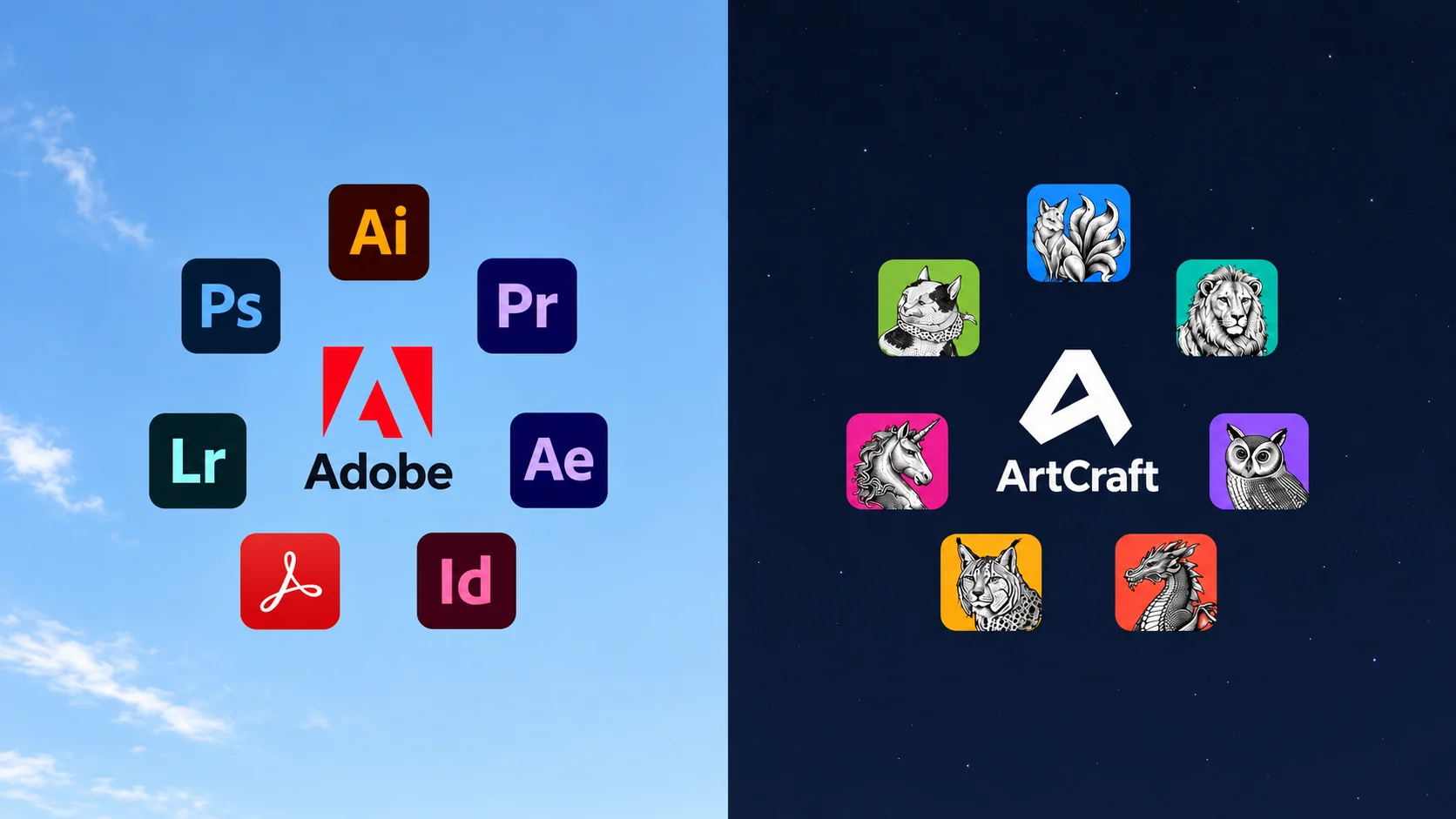
Another thing I’ve noticed is how much of this is being shared for free. Many industries depend on expensive software locked behind paywalls and monthly subscriptions. Cough cough Adobe Cough cough, you know the rest. Now people are building their own open source versions from scratch and handing them out to the community for free. One of my favorite examples is TV. People are replacing those slow, laggy smart TV home screens full of ads with their own clean, ad-free versions.
With all that being said, there are real risks. AI can write code fast, but it doesn’t always write it safely. It can create security gaps, store passwords incorrectly, or leave personal information exposed. The same tools that help a parent build a game for their kid can also help someone build a scam. Test everything, understand what you built, never paste passwords or private info into AI, and think about who could misuse your project before you hit publish.
At the end of the day, AI is a great tool, but it’s not the end-all solution. Building things the old way is still a lot of fun, and figuring out a problem on your own is a feeling AI can’t replace. Where it really helps is getting people’s feet off the ground and giving them that first push to start. The future is getting built one idea, one bug fix, and one edit at a time. Let me know what you’re working on, and share this with someone who’s been sitting on a great idea.
If you're looking for somewhere to host that great idea, RackGenius has you covered!