
What's the Deal with Cable Management?


Love it or hate it, cable management is its own beast. Growing up, I never really understood how important it was until I started carving out a creative space of my own. Having somewhere neat and tidy to work made a bigger difference than I expected, and once I got a taste of what a clean setup felt like, there was no going back.
My first real dive into cable management happened back in 2016. I picked up a throw rug for my editing station in the basement, which sounds simple enough until you realize it meant moving everything around to get it down. That one small change turned into a full rearrangement, and with it came the opportunity to actually run my cables the right way for once. I had an audio-visual box that needed a new home, cables that needed to reach the right places, and a piano that needed to be plugged in somewhere that actually made sense. So I got to work. When it was all done, you couldn't spot a single cable from any angle of the room.
The thing is, that was just the beginning. As time went on and the basement setup grew, more monitors came in, more equipment got added, and things got crazier fast. That early foundation of clean cable management was the only thing keeping it from turning into a complete disaster.

Your Living Room Is Probably a Mess Right Now (Let's Be Honest)
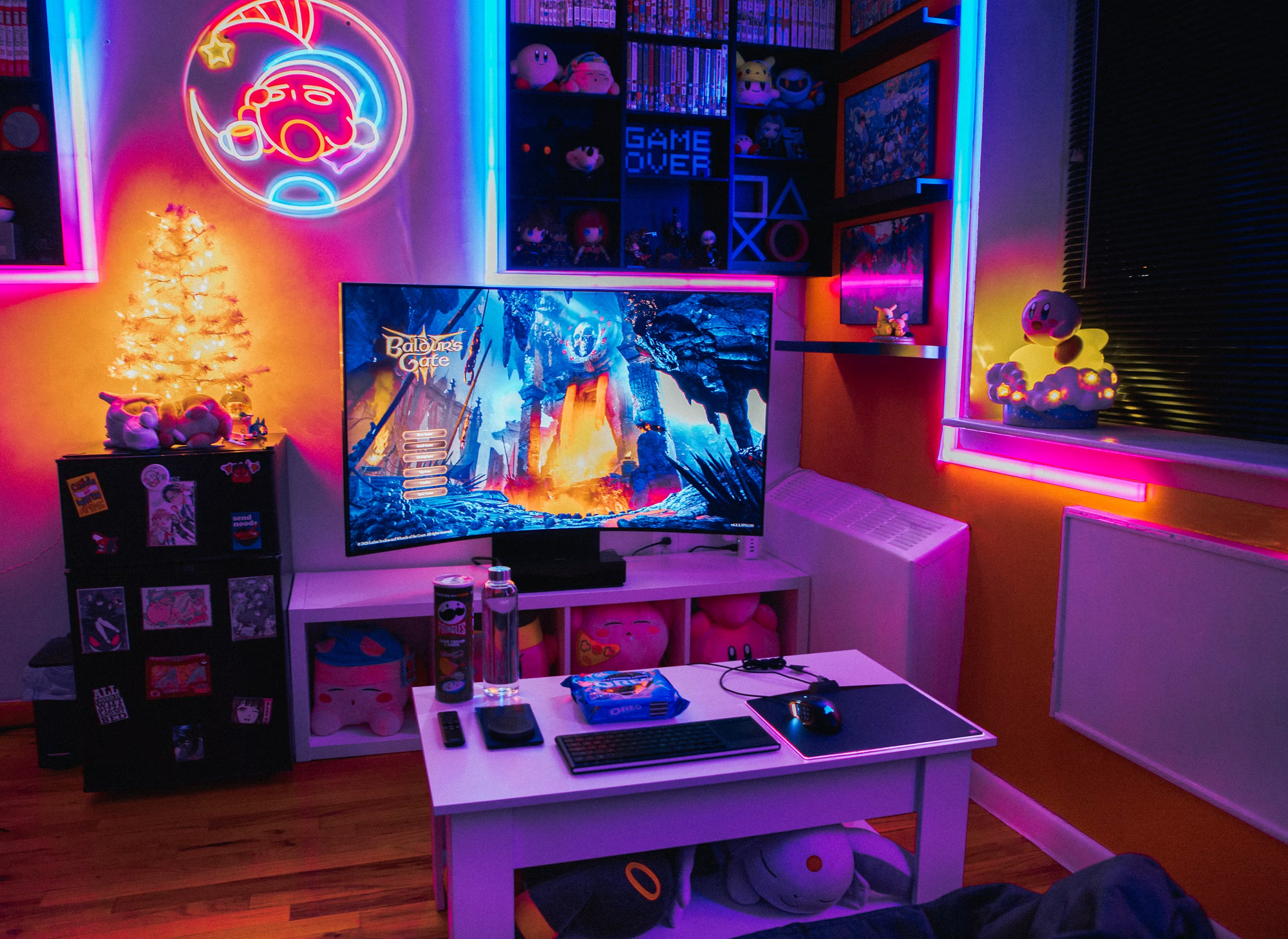
This isn't just a home studio situation either. Think about your media console right now. If you've got a Nintendo Switch, an Xbox, a PS5, and maybe even a cable box still hanging around, I'd be willing to bet there's a tangle behind that entertainment center that nobody wants to deal with. Honestly, my own living space is proof of that. Years of upgrading and adding new technology will do that to you if you're not staying on top of it. Getting everything sorted out the right way doesn't just look better. It actually makes your life easier when you want to add something new or swap something out down the road. While you're at it, do yourself a favor and invest in a quality surge protector with an easy shutoff switch. Beyond keeping things organized, it's one of the simplest things you can do to protect your equipment and your home from an electrical disaster that nobody wants to deal with.
Beyond The Comforts Of Home
Now scale that up to a datacenter environment. I'll be honest, I have a bit of a head start when it comes to appreciating this stuff. My Dad studied AutoCAD and took it upon himself to hardwire our entire house with Cat5 and Cat6 Ethernet cables. Every room, wall, and even the bathroom is wired up and ready to handle next-gen gaming from the comfort of your porcelain throne. Growing up around that level of intentional infrastructure gave me a pretty early appreciation for what it means to do things the right way from the start.
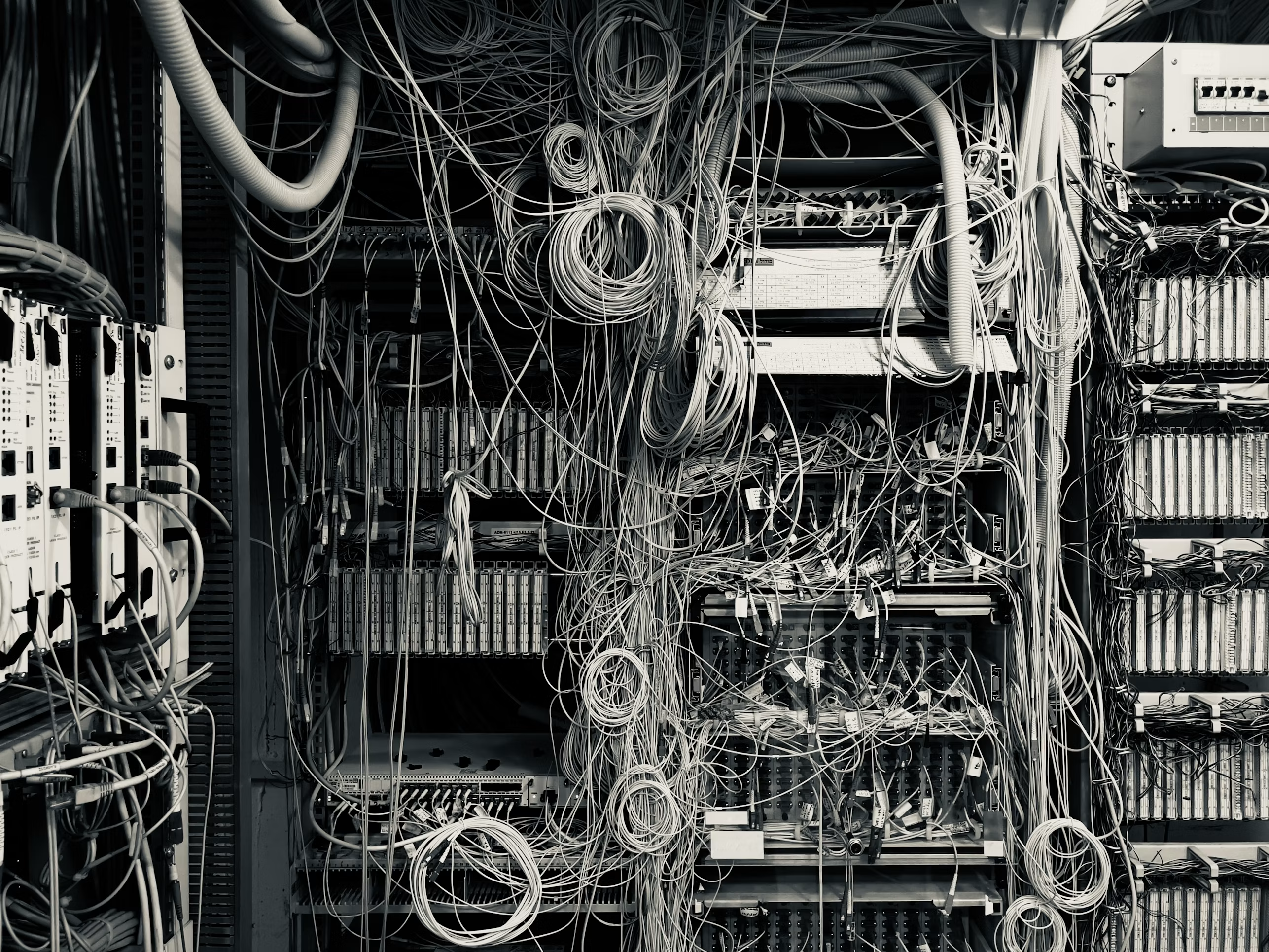
So when I started having conversations with Ethan, Evan, and Niko about what goes into running real hosting infrastructure at RackGenius, a lot of it clicked. The amount of thought and effort that goes into routing even a single Ethernet cable through a server rack is no joke. Every cable has a purpose, a path, and a reason for being where it is. Labels matter. Cable length matters. The direction a bundle runs matters. One messy rack can turn what should be a straightforward upgrade into an all-day headache, and in a datacenter environment where uptime is everything, that's not a headache anyone can afford.
Plan It Right the First Time
The takeaway here is simple, and it applies whether you're laying down a throw rug in your basement, untangling the chaos behind your entertainment center, or racking servers in a data center. A little extra planning up front saves you a whole lot of frustration down the road. It's easy to throw things together in the moment and tell yourself you'll clean it up later, but later has a way of never coming. The setup grows, the cables multiply, and suddenly, what should have been a quick swap turns into tearing everything apart just to find the right wire.
Taking the time to think through your cable runs, invest in the right gear, and build a foundation that actually makes sense for where you're headed is always worth it. It doesn't matter if you're a hobbyist, a gamer, or someone managing infrastructure at a much larger scale. The same rule holds up. Especially when everything has a place and a purpose, you spend less time fighting your setup and more time actually enjoying it.