Find Out How the Newest Minecraft Snapshot Could Change the Game Forever

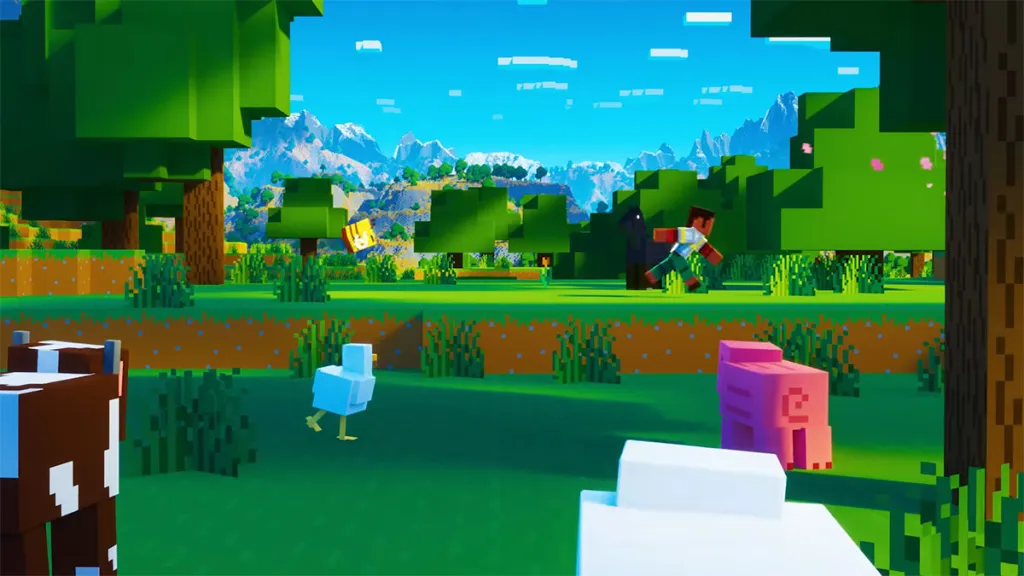
It feels like we have been stuck in a cycle of small but steady updates for a long time now. While new wood types and armor trims are cool, they haven't exactly changed the foundation of the game. That changed with the release of the 26-2 Snapshot 7. This isn't just another simple patch; it feels like Mojang is finally opening the floodgates and letting the water flow for the next decade of play. For those of us running servers at RackGenius, these technical shifts are usually more exciting than a new mob, and this snapshot is packed with them.
The absolute scale of the changes to the technical backend suggests the rumors we have been hearing about for years are finally becoming a reality. We are seeing major overhauls to how data is handled, which points toward a future where the differences between versions of the game start to disappear.
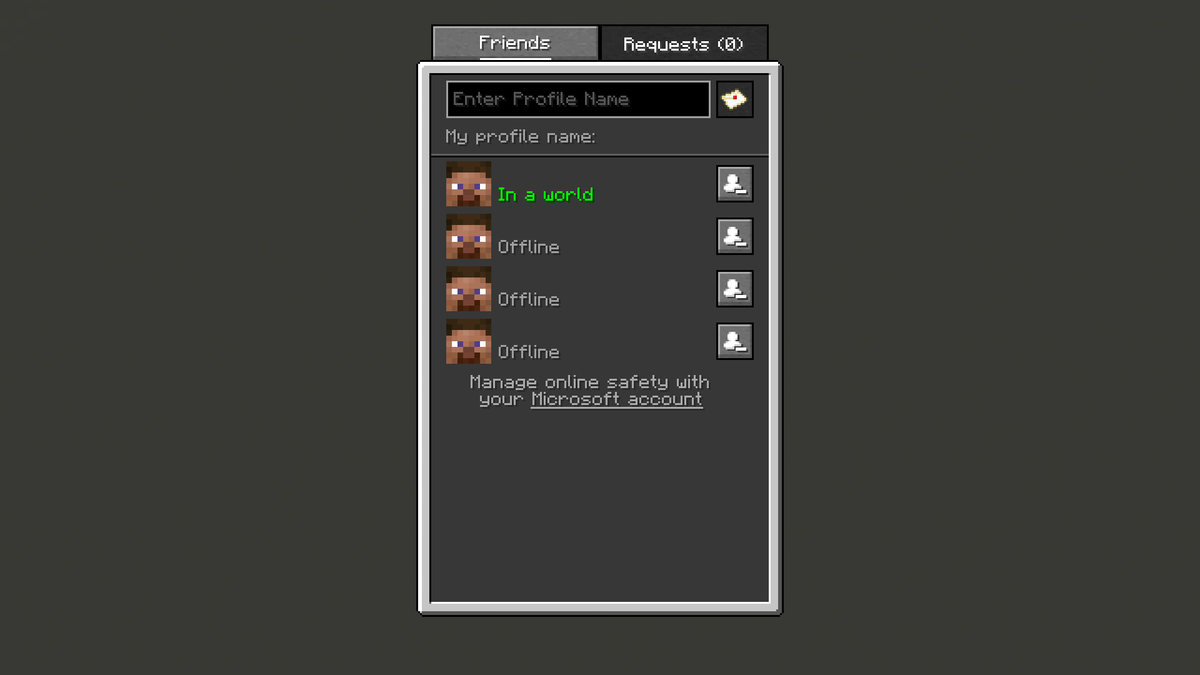
Playing with Friends Just Got Easier
The absolute standout of this snapshot has to be the brand new, built-in Friends List for Java Edition. For years, Java players have been left out in the cold while Bedrock enjoyed a seamless social experience. Now, we finally have a dedicated Friends button right on the main menu and the pause screen. You can send requests, see who is online, and even check if they are currently in a joinable world.
What is even cooler is the new player-to-player feature. This allows you to invite friends directly into your single-player world without needing to mess with LAN settings or complicated port forwarding. It essentially does what the Essential mod has been doing for years, but natively within the game. It is a massive win for accessibility, making it easier than ever to just jump in and play without a degree in IT.
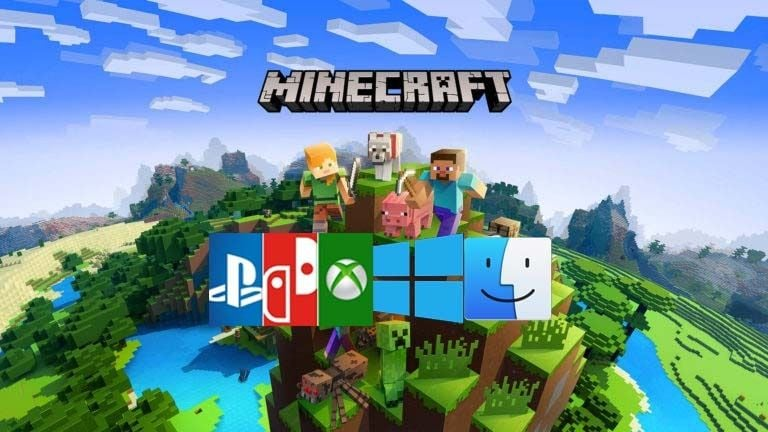
The End of the Version Divide?
This new social layer hints at something even bigger for Minecraft's future. Mojang is cleaning up how Java handles entity data and networking, in a way that looks suspiciously similar to how Bedrock operates. If they manage to align these systems internally, we might be looking at a future where you don't need a middleman plugin like Geyser to host a universal server.
For a hosting company, this is huge. It means simpler setups, better performance, and fewer compatibility errors when updates roll out. Beyond the social stuff, we are also getting fun additions like the new Bounce music disc and five fresh background tracks by fingerspit, which add a nice layer of atmosphere to the new Sulfur Cave biomes. It feels like they are finally building a single, unified Minecraft experience rather than two separate games that happen to look the same.
The Return of Minecraft Live
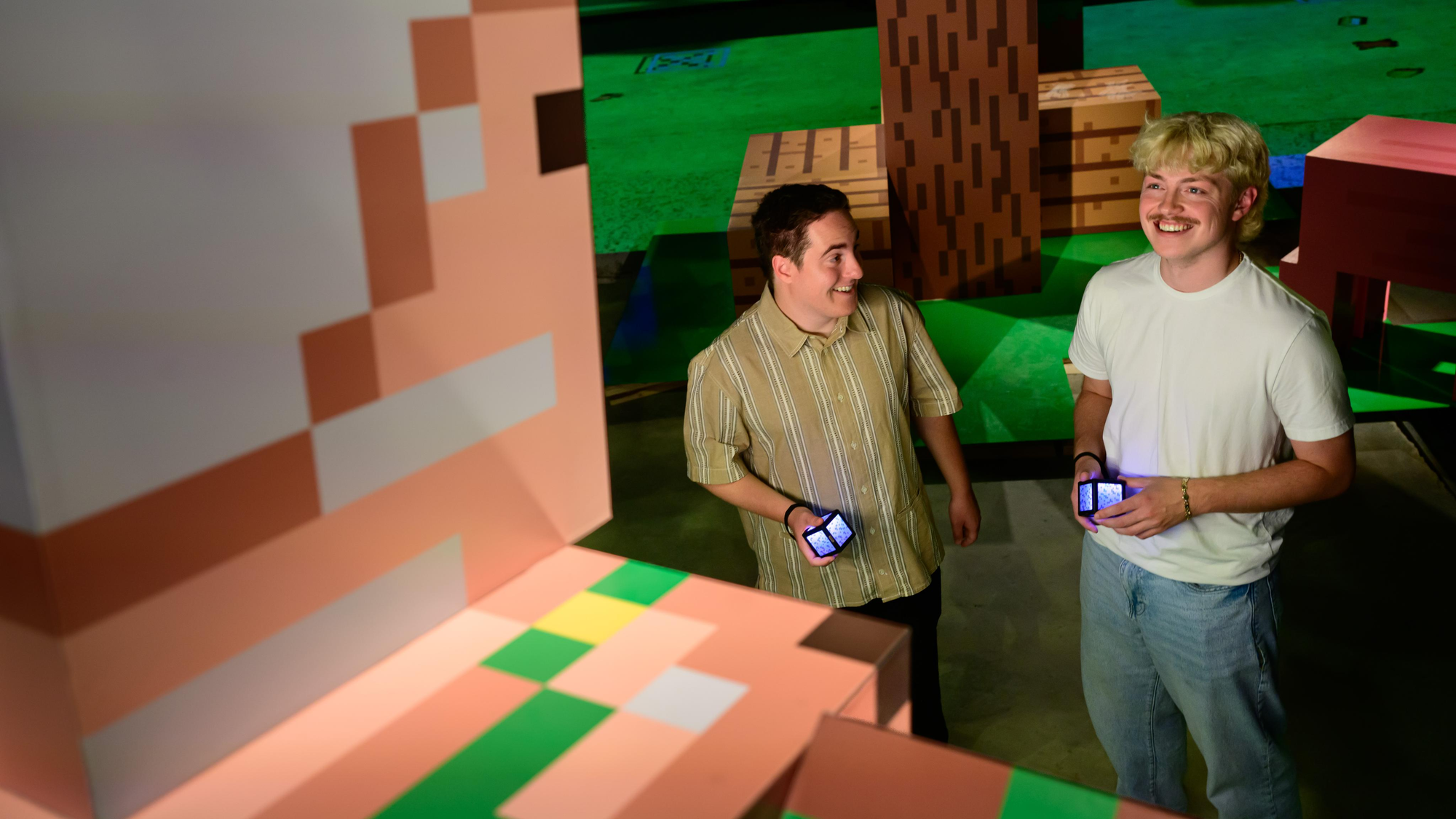
Along with these massive technical leaps, the buzz around the return of Minecraft Live is getting louder. Mojang officially announced a special event streaming from TwitchCon Europe on May 30th. After a few years of smaller, more segmented digital events, a full-scale Minecraft Live feels like a true homecoming.
This event is the perfect stage to announce exactly what these backend changes and the Chaos Cubed update are leading toward. If they are actually moving toward a true cross-platform feature, this would be the place to drop that bombshell. We have seen a shift in how they communicate lately, and a revamped live event suggests they have something cool enough to justify the big stage again. It feels like the momentum is finally building for a new era. ( Get it building, like in Minecraft??)
Learn how to get your own server ready for the next generation of play with RackGenius Game Server Hosting!